🏛️ Explore the Old Summer Palace (Yuanmingyuan): China’s Lost Imperial Wonder
known as the “Garden of Gardens,” Yuanmingyuan was an enormous imperial complex built in the 18th century, celebrated for its magnificent Chinese and Western architecture, lakes, and art collections.
- 3 min read
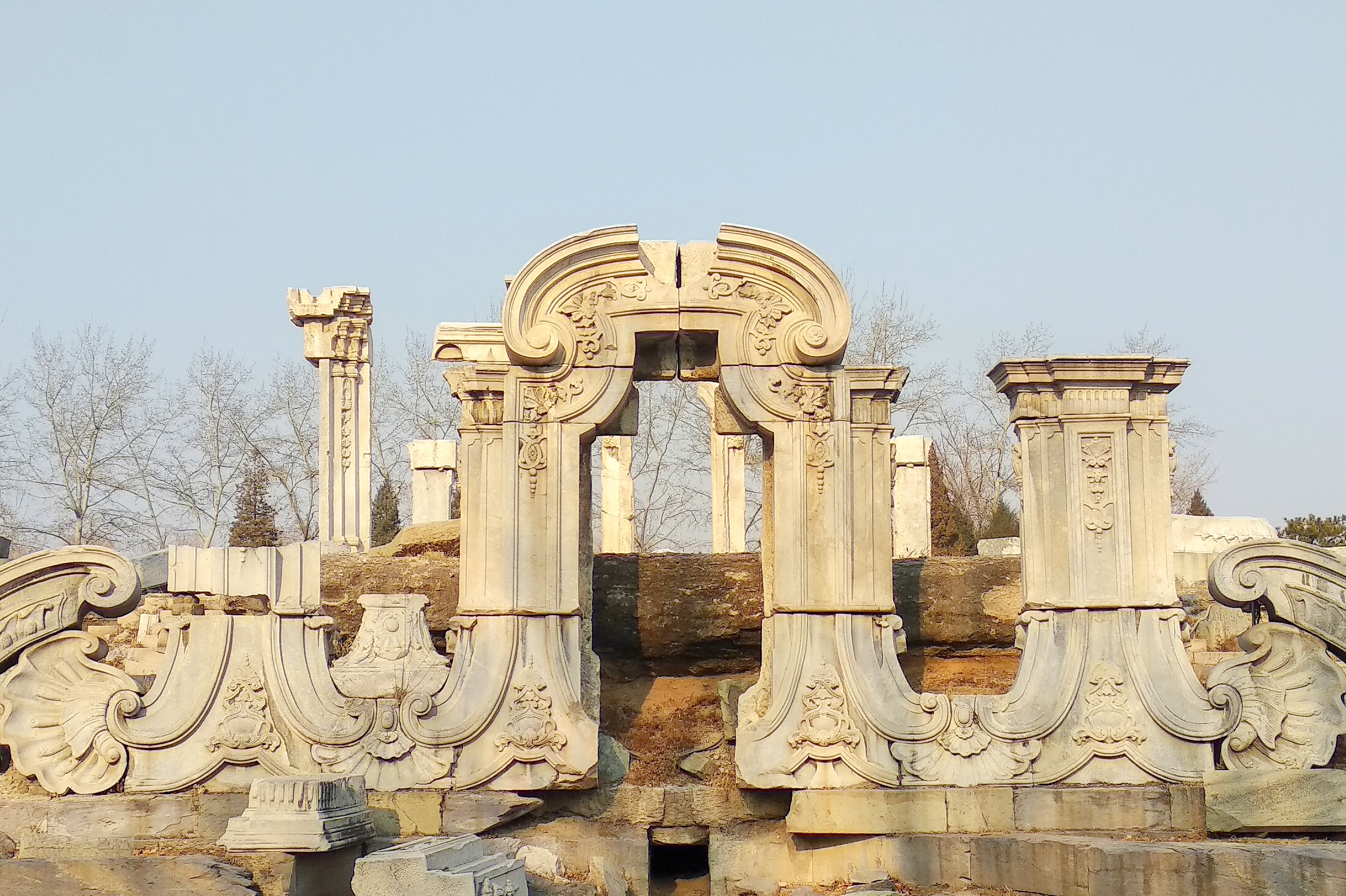
✨** Why Visit the Old Summer Palace** If the Forbidden City represents power and the Summer Palace represents leisure, the **Old Summer Palace (Yuanmingyuan)**represents memory. Once known as the “Garden of Gardens,” Yuanmingyuan was an enormous imperial complex built in the 18th century, celebrated for its magnificent Chinese and Western architecture, lakes, and art collections. Tragically, much of it was destroyed during the Second Opium War (1860) when British and French troops looted and burned it down — an event that remains a poignant chapter in Chinese history. Today, it stands as a peaceful park and an evocative reminder of cultural loss and endurance.
📍** Location & How to Get There** Yuanmingyuan is located in Haidian District, northwest Beijing — just 2 km from the Summer Palace, making it an easy same-day visit. • 🚇 By Subway: • Take Line 4 to Yuanmingyuan Park Station (圆明园站), Exit B, and you’ll arrive right at the south gate. • 🚖 By Taxi: • Say “圆明园 (Yuánmíngyuán)” — most drivers will understand immediately. • 🚌 By Bus: Routes 331, 432, or 498 also stop at the park entrance.
📌 Address: 28 Qinghua West Road, Haidian District, Beijing 🕒 Opening Hours: • April–October: 7:00 AM – 7:30 PM • November–March: 7:00 AM – 5:30 PM
🎟 Ticket: 10 RMB (basic entry) / 25 RMB (includes ruins area)
🏞** What to See in Yuanmingyuan** Though most of the original palaces were destroyed, the park’s ruins, lakes, and restored gardens make it a fascinating place to explore. Covering 350 hectares, it’s divided into three main sections: Yuanmingyuan, Changchunyuan, and Qichunyuan. Highlights to explore: • 🏰 Western-style Palaces (Dashuifa) – remains of baroque fountains built under Emperor Qianlong’s fascination with European art. • 🌿 Fu Hai Lake – the central lake, perfect for a peaceful stroll or paddleboat ride. • 🪶 Reconstructed Pavilions – some traditional halls have been rebuilt for exhibitions. • 📷 Ruins Garden (遗址公园) – dramatic stone arches ideal for photography and reflection.
💭** Cultural Significance** The Old Summer Palace is not only a tourist site but also a site of reflection. It tells a story of how cultural treasures were once lost, and how China’s heritage continues to be preserved and remembered. For many visitors, walking among the stone ruins surrounded by willow trees feels almost surreal — a place where beauty, history, and tragedy coexist. 💡 Tip for travelers: Visit after seeing the Summer Palace — you’ll better appreciate the contrast between imperial splendor and the scars of history.
💡** Visitor Tips** • 🕶 Best time to visit: Morning or late afternoon for cooler weather and soft light. • 📱 Connectivity: Mobile data is reliable. Download an offline map before arrival. • 💳 Payments: Use WeChat Pay / Alipay if possible; few vendors take cash. • 🗣 Language: English signage exists but is limited — consider hiring a local English-speaking guide for deeper insights. • 👟 Comfort: Bring water and wear sneakers — the site is very large and mostly outdoors.
📸** Best Photo Spots** • 📍 Dashuifa Ruins – iconic European stone fountains • 📍 Fu Hai Lake Shore – willow trees reflecting on calm water • 📍 Arched Stone Gates – contrast of ruin and rebirth
📝** Suggested 2-Hour Visit Itinerary** ⏰ Total Time: Around 2 hours • 0:00–0:30 → Enter from South Gate, explore the garden trails around Fu Hai Lake • 0:30–1:15 → Visit the Western Palaces and Dashuifa Fountain ruins • 1:15–1:45 → Walk through the stone arches and small museums • 1:45–2:00 → Exit via East Gate, stop for local snacks outside the park 👉 Perfect for combining with the Summer Palace, only a 10-minute taxi ride away.
🌐** Useful Links** • Official Yuanmingyuan Park Website (CN) • Beijing Tourism Portal • China National Immigration Administration – visa updates
- Tags:
- Beijing